What Is a Body Wrap Treatment?
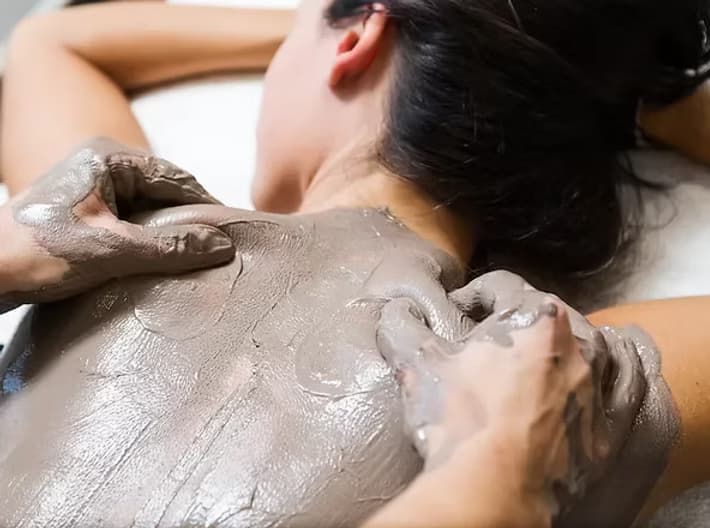
A body wrap applies warm, active substances — such as seaweed, clay, mud, or botanical oils — across the body, then wraps the area in heated blankets or thermal foil to retain the ingredients against the skin. The warmth increases surface circulation, opens pores, and allows ingredients to absorb more deeply. The core purpose shifts with the ingredients: some target hydration, others detoxification or fluid reduction.
The Different Types of Body Wraps
- Seaweed body wrap – mineral-dense, supports moisture barriers, effective for sun-exposed skin
- Clay and mud wrap – draws impurities through adsorption, addresses congested or dull skin
- Detox body wrap – botanical extracts encourage lymphatic support and perspiration
- Infrared wrap – uses heat energy penetrating subcutaneous layers without topical products
- Slimming body wrap – compression bandages temporarily reduce measurements through fluid displacement
What Happens During a Body Wrap Session?
Sessions begin with a consultation, followed by a shower or light exfoliation. The warm formulation is applied across the body, then clients are wrapped in heated blankets or thermal foil for 25–40 minutes. Total sessions run 60–90 minutes. After unwrapping, residue is removed and a nourishing lotion is applied to seal in the benefits.
What Are the Real Benefits of a Body Wrap?
- Deep skin hydration and improved moisture retention
- Temporary inch loss from slimming wraps through fluid displacement
- Improved circulation and lymphatic flow
- Genuine relaxation and stress relief
- Smoother, softer skin texture
Body Wrap vs Body Scrub: What's the Difference?
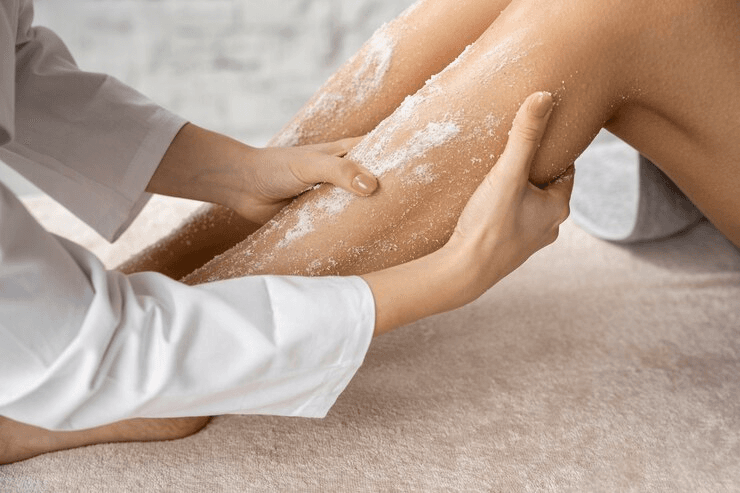
Body scrubs provide surface exfoliation using physical or chemical abrasion, while body wraps work beneath the surface targeting deeper hydration or circulation. Sequencing both together — scrub first, then wrap — allows the scrub to clear pathways for maximum wrap effectiveness.
Frequently Asked Questions
- Duration: 60–90 minutes for standard treatments
- Suitability: well-tolerated by most healthy adults; not recommended during pregnancy or for those with cardiovascular conditions
- Frequency: once or twice monthly for general restoration; weekly for specific concerns
- Post-treatment: drink 1.5–2 litres of water, avoid heavy exercise or alcohol, apply moisturiser before bed