There is a widespread belief that a few massage sessions can completely correct poor posture. While massage is a genuinely valuable tool for posture improvement, understanding what it can and cannot do helps you use it most effectively as part of a comprehensive approach.
Understanding Posture and Its Importance
Good posture is the foundation of musculoskeletal health. Poor alignment places undue stress on joints, compresses nerves, restricts breathing, and contributes to chronic pain in the neck, shoulders, and lower back. Addressing posture requires addressing both the structural and muscular components of alignment.
The Role of Massage Therapy
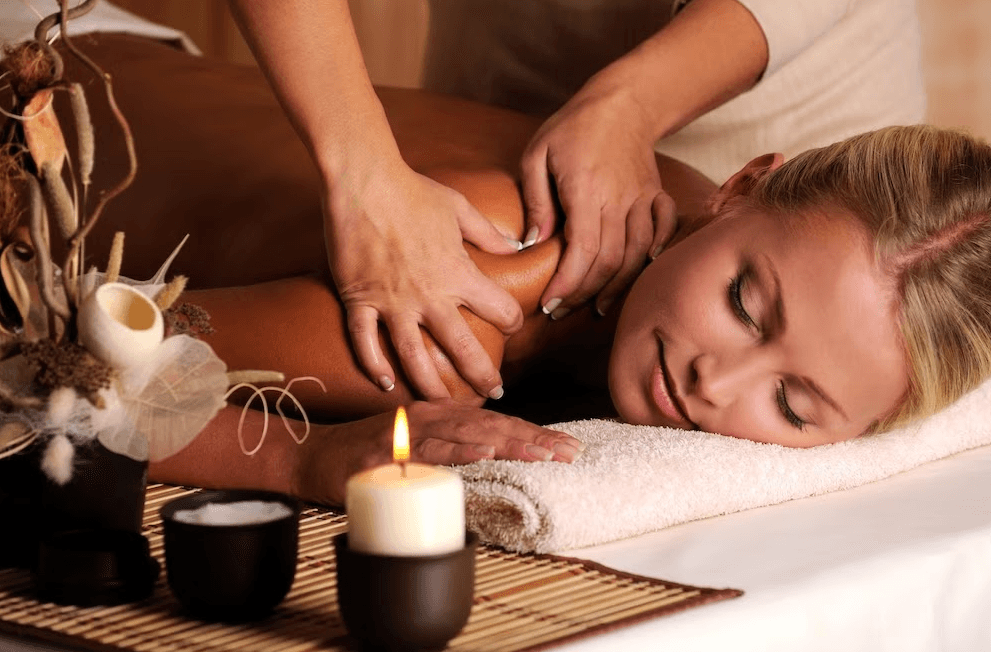
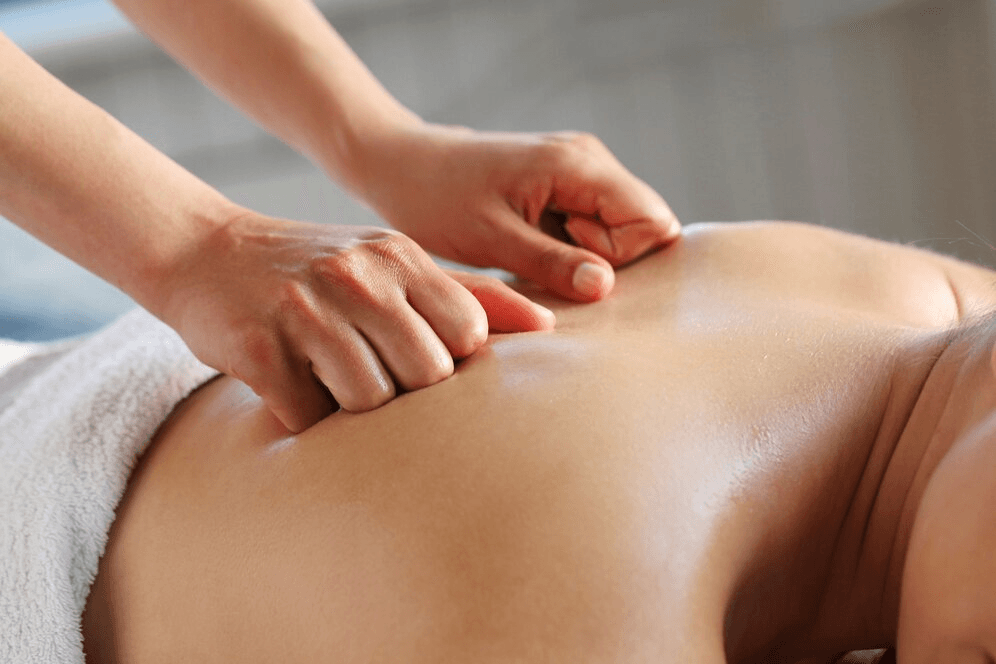
Massage therapy addresses the muscular component of poor posture directly. Techniques like deep tissue massage target overactive, tight muscle groups — particularly in the upper trapezius, chest, and hip flexors — to relieve tension and improve flexibility. By releasing these tight areas, massage restores a more natural resting position for the body.
Myth: Massage Alone Can Correct Poor Posture
This is the most common misconception. A single session — or even a course of sessions — cannot miraculously correct years of poor posture. Structural misalignments, deeply ingrained movement patterns, and weak stabilising muscles require more than massage alone to address effectively.
Fact: Massage Can Complement Posture Improvement
Massage is a valuable adjunct therapy when combined with other posture-improvement interventions. It creates the muscular conditions — reduced tension, improved flexibility — that allow targeted exercises, stretching, and ergonomic adjustments to work more effectively.
Scientific Evidence
Research consistently supports massage as an effective component of posture improvement programmes. Studies show it reduces muscle asymmetry, improves range of motion, and decreases pain associated with postural dysfunction when used alongside active rehabilitation.
Practical Tips for Incorporating Massage into Posture Improvement
- Commit to regular sessions — consistency is essential for lasting results
- Communicate your specific postural concerns to your therapist before each session
- Combine massage with targeted stretching and strengthening exercises
- Maintain good ergonomics at your workstation and during daily activities
- Listen to your body and adjust the treatment approach based on feedback