In our fast-paced lives, stress has become an almost unavoidable companion, subtly weaving its way into our daily routines and influencing various aspects of our health. Elevated cortisol levels lead to increased oil production, which can exacerbate acne and lead to other skin issues such as dryness and premature ageing.
The Biochemical Dance
When stress strikes, cortisol surges through the body. Elevated cortisol triggers increased oil production and inflammation, creating the ideal conditions for acne and other skin flare-ups. This biochemical response directly connects your emotional state to the health of your skin.
Inflammation and Skin Conditions
Chronic stress induces inflammation, a key player in various skin conditions. Conditions like psoriasis and eczema often flare up during periods of prolonged stress. The inflammatory response that was meant to protect you can end up harming your skin's appearance and comfort.
Impact on Collagen Production
Cortisol breaks down collagen, the protein responsible for skin's firmness and elasticity. Over time, this contributes to premature ageing signs such as fine lines, wrinkles, and sagging — making stress management essential for maintaining youthful skin.
Compromised Skin Barrier Function
Stress disrupts the skin's natural barrier, making it more susceptible to irritants and environmental damage. This can worsen conditions like rosacea and cause heightened sensitivity, redness, and dryness across the face and body.
The Role of Stress Management
Managing stress is not just good for your mental health — it is essential for your skin. Techniques such as meditation, regular exercise, and quality sleep all help regulate cortisol and reduce the skin-damaging effects of chronic stress.
Massage and Cortisol Reduction
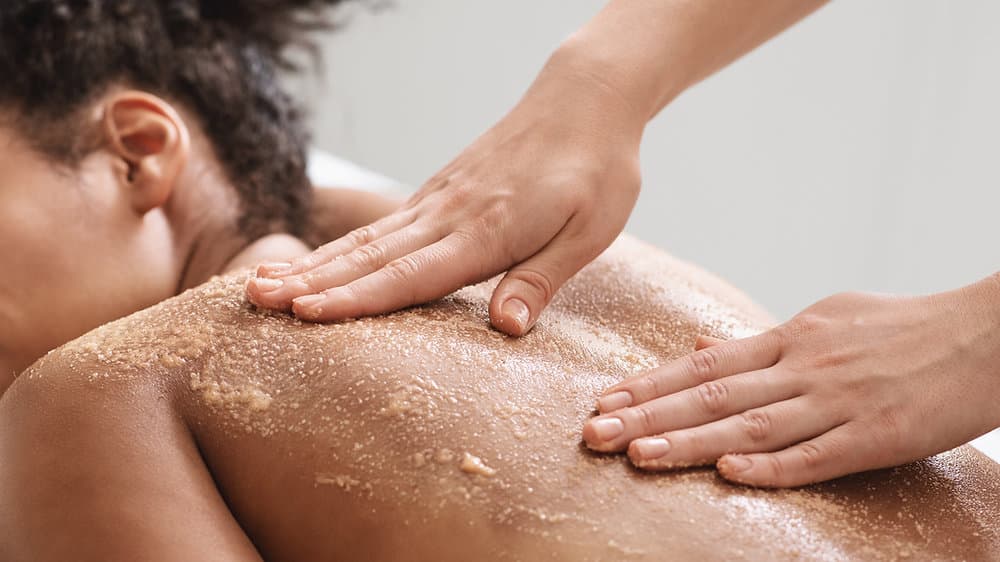
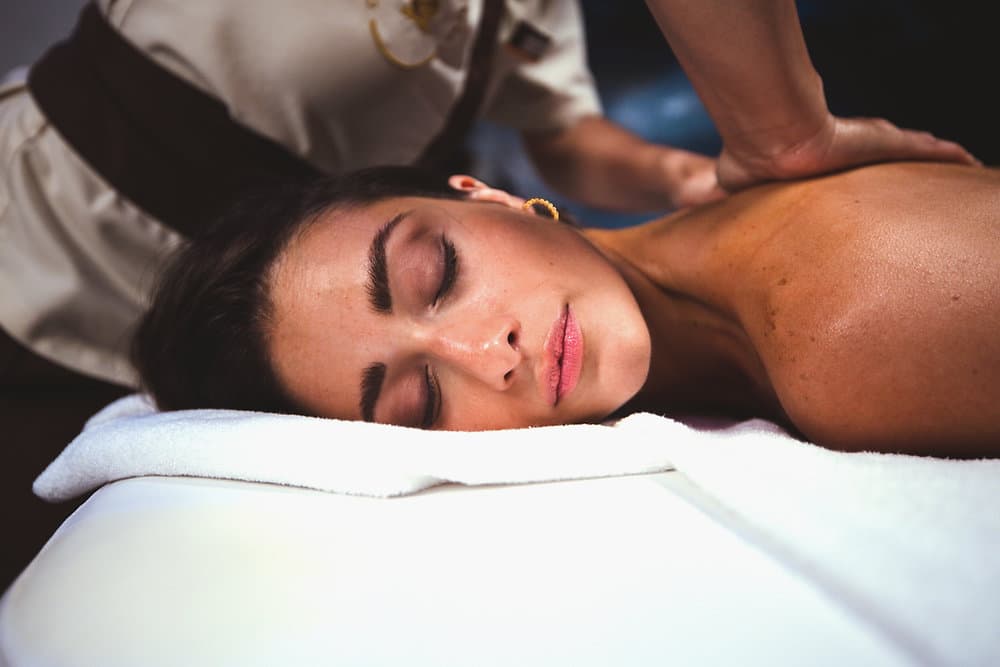
Therapeutic touch triggers the body's relaxation response, reducing cortisol levels and lowering inflammation. Regular massage therapy is a scientifically supported intervention for stress-related skin concerns, helping the body return to a balanced state.
Enhancing Blood Circulation
Massage improves blood flow, enhancing nutrient delivery and accelerating skin repair. Better circulation means skin cells receive more oxygen and nourishment, resulting in a healthier, more radiant complexion over time.
Incorporating regular massage and holistic self-care into your routine provides both immediate relief and long-term protection for your skin. The connection between mind, body, and skin is undeniable — caring for one means caring for all three.