It is inevitable for people to feel stress, but that does not mean you cannot do something about it. Prolonged exposure to stress can trigger anxiety, depression, and increased cardiac disease risk, while also weakening your immune system. The good news? These eight practical strategies can significantly reduce stress in your daily life.
1. Take a Walk
Extended sitting during stressful periods tightens muscles and fatigues the mind. Brief outdoor walks provide immediate physical and mental relief. Weekend hiking takes this further, releasing endorphins that elevate mood for hours after the activity ends.
2. Laugh It Off
Laughter stimulates vital organs through increased oxygen intake, triggers endorphin release, and decreases blood pressure by cycling your body through and then out of the stress response. Even a few minutes of genuine laughter can reset your nervous system.
3. Eat Mood-Boosting Foods
Carbohydrates increase serotonin levels, producing a natural calming effect. Opt for small portions of complex carbs, or reach for fruits, vegetables, and omega-3-rich fish like tuna, which support brain health and emotional regulation.
4. Get a Massage
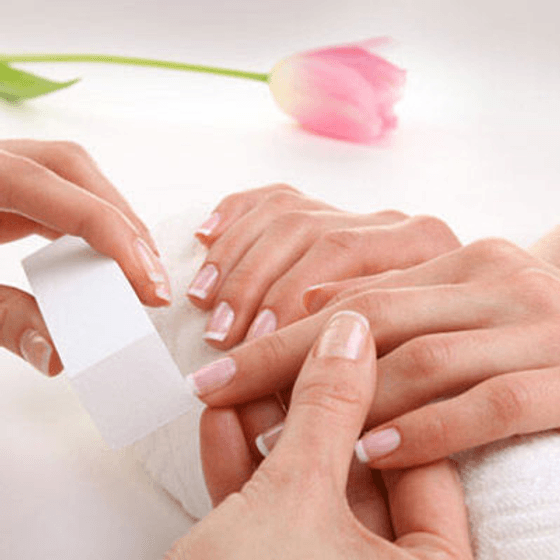
Massage releases physical tension held in the body while calming the nervous system. Aromatherapy oils such as chamomile and lavender enhance the relaxation response, making a professional massage one of the most effective and enjoyable ways to de-stress. Book a session at Carisma Spa.
5. Breathe Deeply
Slow, synchronised breathing signals the nervous system to shift from stress mode to rest mode, lowering blood pressure and reducing anxiety within minutes. Try inhaling for four counts, holding for four, and exhaling for six.
6. Listen to Music
Music lowers blood pressure and cortisol levels. Classical music and nature sounds are particularly effective for promoting deep relaxation, though any music that personally resonates with you can reduce tension and lift your mood.
7. Meditate
Even five-minute meditation sessions reduce stress measurably. Regular practice decreases cardiac risk factors, lowers blood pressure, and trains your mind to respond to stressors with greater calm and perspective.
8. Get Enough Quality Sleep
Seven to eight hours of quality sleep breaks the stress cycle. Dimming lights, reducing screen exposure before bed, and creating a calming pre-sleep routine signal your body that it is safe to rest and recover.
Stress management is not a luxury — it is an essential component of a healthy life. Incorporate even a few of these strategies and notice the difference in how you feel, focus, and function.