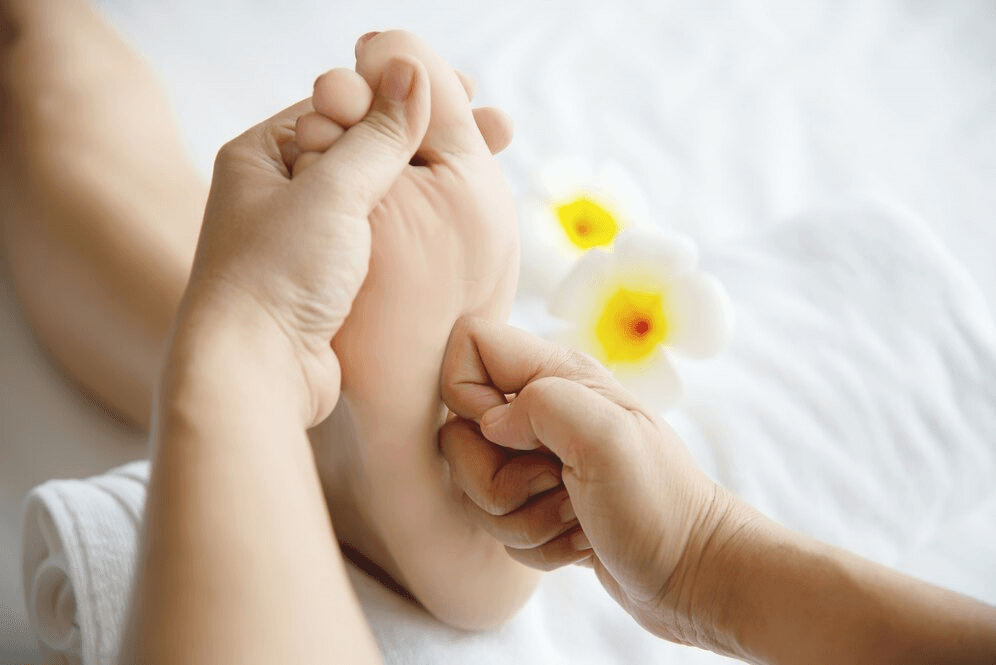
Following strenuous physical activity, the body undergoes stress and fatigue, resulting in muscle soreness, inflammation, and potential injuries. Recovery represents the critical period where physical repair and adaptation occur — and spa treatments are one of the most effective tools available.
Understanding Post-Workout Recovery
Recovery is not passive rest — it is an active process in which the body repairs muscle fibres, restores energy stores, and reduces inflammation. Optimising this phase determines how quickly you can return to training and how well you perform next time.
The Role of Spa in Recovery
Spa treatments provide comprehensive recovery support addressing both physical and mental dimensions of post-exercise regeneration.
1. Muscle Relaxation
Techniques such as massage therapy target specific muscle groups, reducing stiffness and soreness caused by intense exercise. Massage improves blood flow and lymphatic drainage to eliminate toxins and reduce inflammation throughout affected tissues.
2. Stress Reduction
Spa environments offer calming atmospheres where aromatherapy, hot stone therapy, and hydrotherapy reduce mental stress and enhance clarity — supporting the psychological recovery that is just as important as physical healing.
3. Injury Prevention
Regular spa treatments help identify bodily imbalances and weaknesses, reducing exercise-related injury risk. Personalised therapist assessments can flag areas of concern before they become serious problems.
4. Enhanced Circulation
Spa therapies such as hydrotherapy and contrast baths help improve blood circulation, ensuring faster delivery of oxygen and nutrients to recovering muscles while removing metabolic waste products more efficiently.