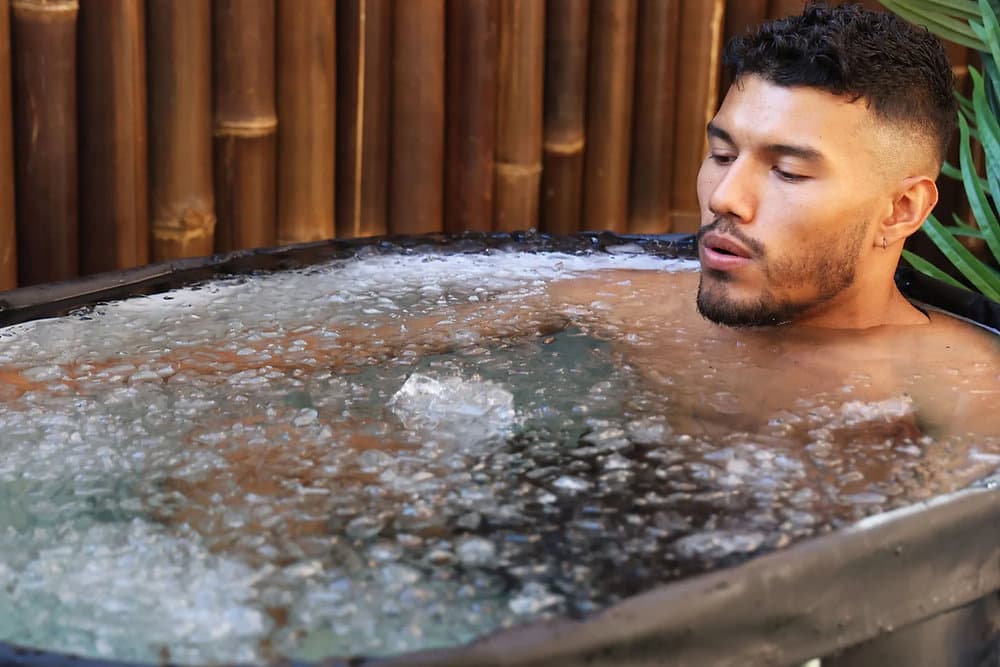
Cold plunge therapy, also known as cold water immersion or ice bathing, involves submerging the body in cold water — typically 10–15°C — for a brief period. This ancient technique, found in Scandinavian cold baths and Japanese Misogi rituals, is now gaining serious momentum as a recovery and wellness practice.
What is Cold Plunge Therapy?
Cold plunge therapy is the deliberate immersion of the body in cold water as a therapeutic practice. Unlike casual cold showers, a structured cold plunge is performed with intention — targeting specific physiological responses that support health and recovery.
The Science-Backed Benefits of Cold Plunge Therapy
1. Boosts Circulation and Cardiovascular Health
Cold water causes blood vessel constriction, redirecting flow to vital organs. Upon exiting, vessels dilate, improving circulation and oxygen delivery throughout the body. Research suggests regular cold exposure may enhance vascular health and reduce cardiovascular disease risk.
2. Enhances Recovery and Reduces Inflammation
Athletes widely use cold therapy for muscle recovery. A Journal of Science and Medicine in Sport study found post-exercise cold immersion significantly reduces muscle soreness and inflammation by lowering body temperature and flushing metabolic waste.
3. Strengthens the Immune System
Regular cold exposure increases white blood cell production and activates brown fat. Research indicates practitioners experience fewer colds and illnesses compared to those who avoid cold exposure.
4. Elevates Mood and Reduces Stress
Cold plunges trigger endorphin, dopamine, and norepinephrine release. Research has found cold exposure reduces anxiety and depression symptoms by stimulating the vagus nerve — a key regulator of the nervous system.
5. Enhances Mental Resilience and Focus
Cold immersion requires mental discipline and breath control, and over time this builds mental toughness, sharpens focus, and strengthens overall stress resilience.
6. Improves Skin and Hair Health
Cold water tightens pores, reduces redness, enhances skin elasticity, and strengthens hair follicles — promoting shinier hair while preserving the skin's natural protective oils.
How to Incorporate Cold Plunge Therapy into Your Routine
- Start slow: begin with cold showers before progressing to full immersion
- Focus on breathwork: use controlled breathing to manage the initial shock
- Keep sessions short: beginners should limit sessions to 1–2 minutes
- Follow with a warm-up routine: use light movement or a sauna rather than jumping into hot water
- Combine with other wellness practices: pair with sauna sessions, massages, and hydrotherapy for contrast therapy benefits