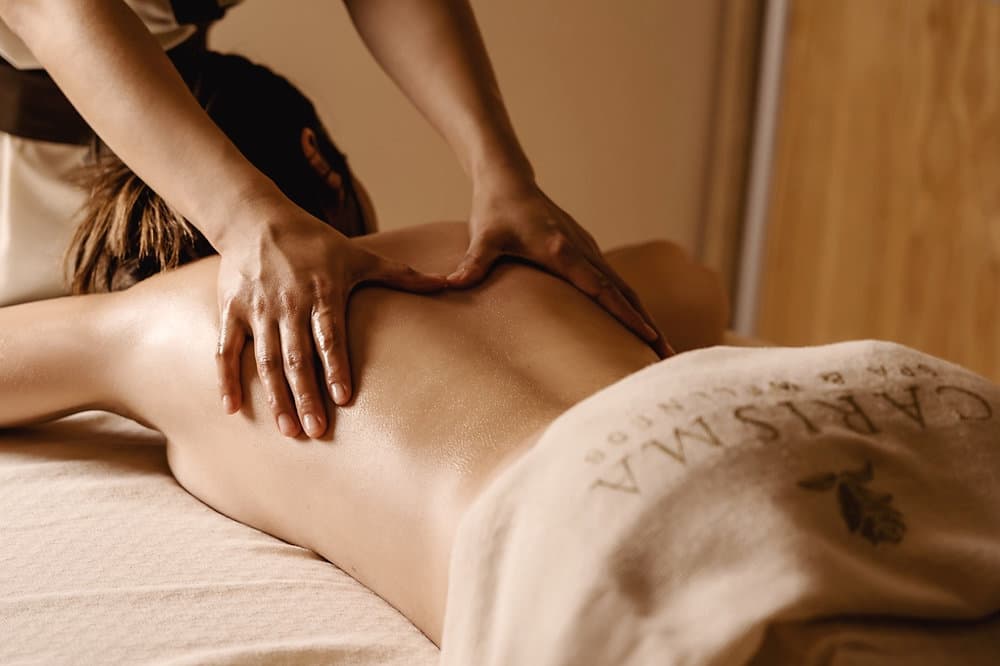
Massage therapy manipulates soft tissues including muscles, tendons, and ligaments through various techniques that trigger powerful physiological responses. Far from being a simple indulgence, it is a scientifically validated method for enhancing well-being across multiple dimensions.
1. Stimulating the Nervous System
Massage activates the parasympathetic nervous system, promoting relaxation and lowering heart rate. It reduces cortisol while increasing serotonin and dopamine — improving mood, reducing anxiety, and sharpening mental clarity by calming overactive nerve signals.
2. Improving Circulation and Oxygen Flow
Massage boosts blood circulation, enhancing oxygen and nutrient delivery to tissues throughout the body. It also encourages lymphatic drainage, removing toxins and metabolic waste — reducing muscle soreness and speeding recovery after exercise.
3. Reducing Muscle Tension and Pain
Massage eases tight muscles and knots, relieving chronic pain conditions, enhancing flexibility and range of motion, and decreasing inflammation for faster injury healing. For those with persistent pain, regular massage can produce significant, lasting improvements.
4. Enhancing Sleep Quality
Massage helps regulate sleep patterns by lowering stress levels, increases melatonin production, and reduces insomnia symptoms and nighttime restlessness — supporting the deep, restorative sleep that the body needs to fully recover.
5. Strengthening the Immune System
By lowering stress-related immune suppression and increasing white blood cell production, massage actively supports the body's defences. Improved circulation from massage sessions further strengthens immune function over time.
Types of Massage and Their Benefits
- Swedish Massage — relaxation and stress relief using gentle strokes
- Deep Tissue Massage — targets deep muscle layers to alleviate chronic pain
- Sports Massage — designed for athletes to prevent injuries and aid recovery
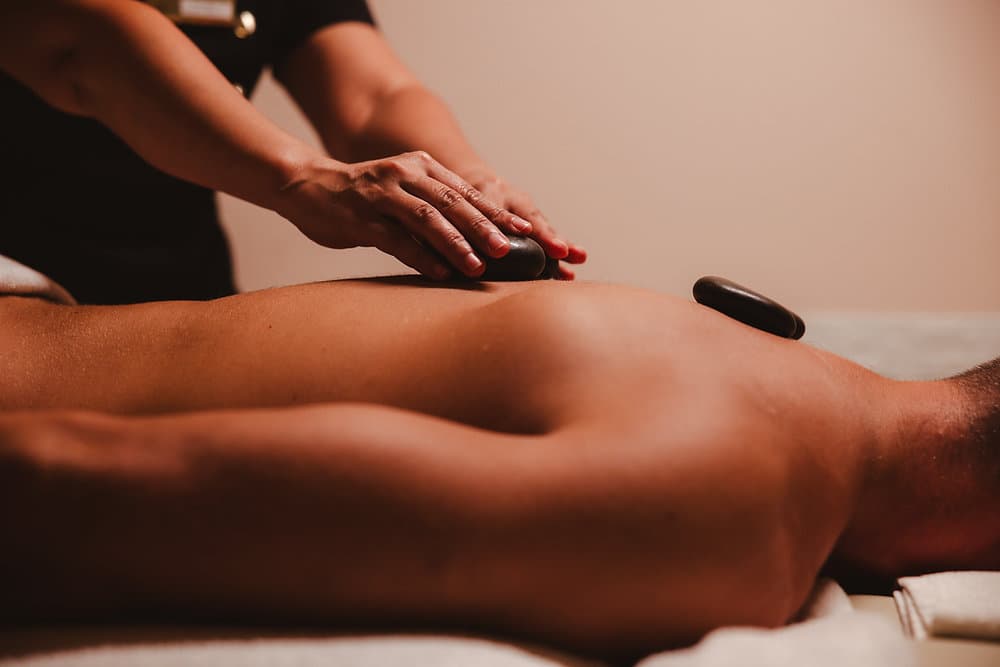
- Hot Stone Massage — uses heated stones to relieve tension and enhance relaxation
- Aromatherapy Massage — combines essential oils with massage techniques
- Reflexology — focuses on pressure points in hands and feet
- Prenatal Massage — tailored for expectant mothers to reduce pregnancy discomforts
How Often Should You Get a Massage?
For relaxation and stress management, once monthly is beneficial. For chronic pain or muscle recovery, weekly or biweekly sessions are recommended. Athletes and physically active individuals benefit from regular sessions both before and after strenuous activity.