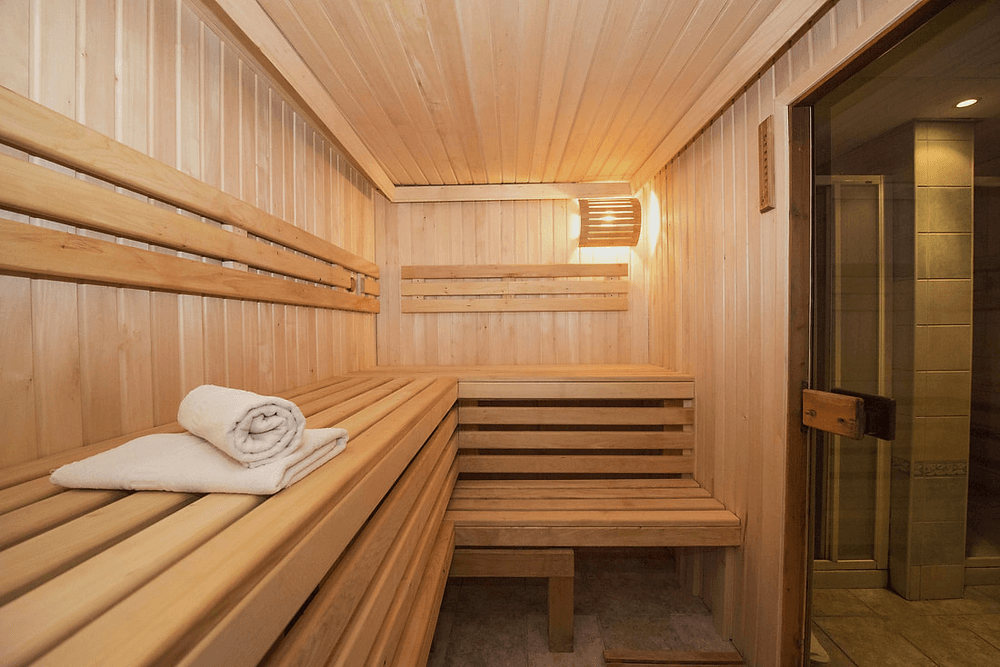
Saunas are heated enclosed rooms with temperatures typically ranging from 65°C to 90°C. The practice has ancient roots in both Maya and Finnish cultures and remains one of the most widely used wellness rituals in the world today.
What Is a Sauna?
A sauna is a small room or enclosure designed to be heated to high temperatures, inducing perspiration and promoting deep relaxation. Traditional saunas use dry heat with low humidity, while steam rooms operate at lower temperatures with very high humidity.
Types of Sauna
- Traditional / Finnish sauna — 70–100°C, low humidity, stones heated by wood or electric stove
- Dry sauna — approximately 90°C, very low humidity
- Infrared sauna — approximately 60°C, uses electromagnetic radiation to heat the body directly
- Steam room — 43–50°C, very high humidity, moist heat environment
Health Benefits of Sauna
- Increased heart rate and improved blood circulation
- Relief from muscle soreness and joint pain
- Significant stress reduction and mood enhancement
- Potential cardiovascular benefits with regular use
- Respiratory relief for asthma and sinus congestion sufferers
Health Risks
Sauna use is not appropriate for everyone. Potential risks include blood pressure fluctuations, dehydration (particularly for those with kidney conditions), dizziness, and nausea. Those who have recently had a heart attack should avoid sauna use entirely.
Precautions
- Limit sessions to a maximum of 20 minutes (5–10 minutes for first-timers)
- Drink 2–4 glasses of water after each session to rehydrate
- Avoid sauna use when ill or running a fever
- Children aged 6 and above: maximum 15 minutes under supervision
- Consult your doctor if pregnant or managing a medical condition
Conclusion
When used responsibly, sauna bathing is a powerful wellness tool that supports circulation, stress relief, and muscle recovery. Always listen to your body and observe safe session lengths. Discover our sauna and thermal facilities at Carisma Spa.
