A hammam ritual in Malta moves through five unhurried stages: warming in a steam-filled room, a full-body scrub with a kessa glove, a wash with traditional black soap, a mineral clay treatment, then a cool rinse and rest. From start to finish it takes around 60 to 90 minutes. You leave with softer skin and a quieter mind.
You have probably been thinking about it for a while. You read the word hammam somewhere, or a friend came back from one looking like she had slept for a week, and a small part of you has wondered ever since what actually happens behind that warm marble door. You are not sure what to wear. You are not sure whether you are meant to talk. You are wondering, quietly, whether you will feel exposed.
This is the honest version. Every stage of the hammam ritual, what your body does at each one, what to bring, and what the experience asks of you. By the end you will know exactly what to expect from a hammam in Malta, and the only thing left to decide is when.
What Is a Hammam, and Where Does the Ritual Come From
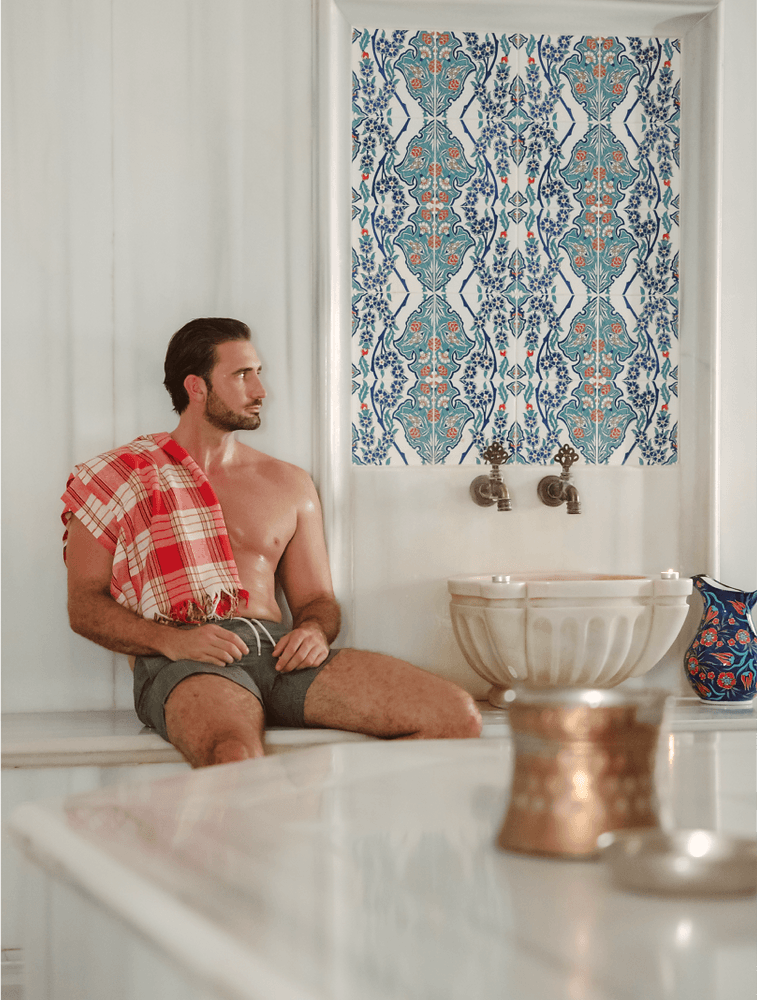
A hammam is a steam-bath ritual that has been part of Mediterranean and Turkish life for more than a thousand years. The word means spreader of warmth. It is not a sauna, and it is not a steam room you sit in alone. It is a guided sequence: heat, then exfoliation, then cleansing, then rest, performed in a warm marble room with an attendant who knows the order by heart.
This matters in Malta more than people realise. Wellness was not invented on social media. The hammam existed centuries before anyone called it self-care, and it has survived because it works. The heat opens the skin. The scrub clears what the body cannot shed on its own. The water does the rest.
At Carisma Spa, the hammam is rooted in that Turkish heritage. The ritual you experience is close to the one practised in Istanbul for generations, adapted only for comfort and privacy. You are not booking a novelty. You are stepping into something old.
Step One: The Warm Room and the Steam
The ritual begins slowly. You lie on warm marble, the heated platform at the centre of the room, and you do nothing. This is the part most people are not prepared for. Your shoulders will not know how to come down yet. They will, given a little time.
The steam warms the body to around 40 degrees, opens the pores, and loosens the muscles. Twenty minutes of this raises peripheral circulation considerably, which is part of why the hammam leaves you feeling worked-on rather than merely warmed. Your skin softens. Your breathing slows without being asked.
There is nothing to do here except let the heat reach you. Most people arrive still running through a list. Somewhere around the ten-minute mark, the list quiets. That is the steam doing exactly what it is meant to do, preparing the body, and the mind, for everything that follows.
Step Two: Black Soap, the First Cleanse
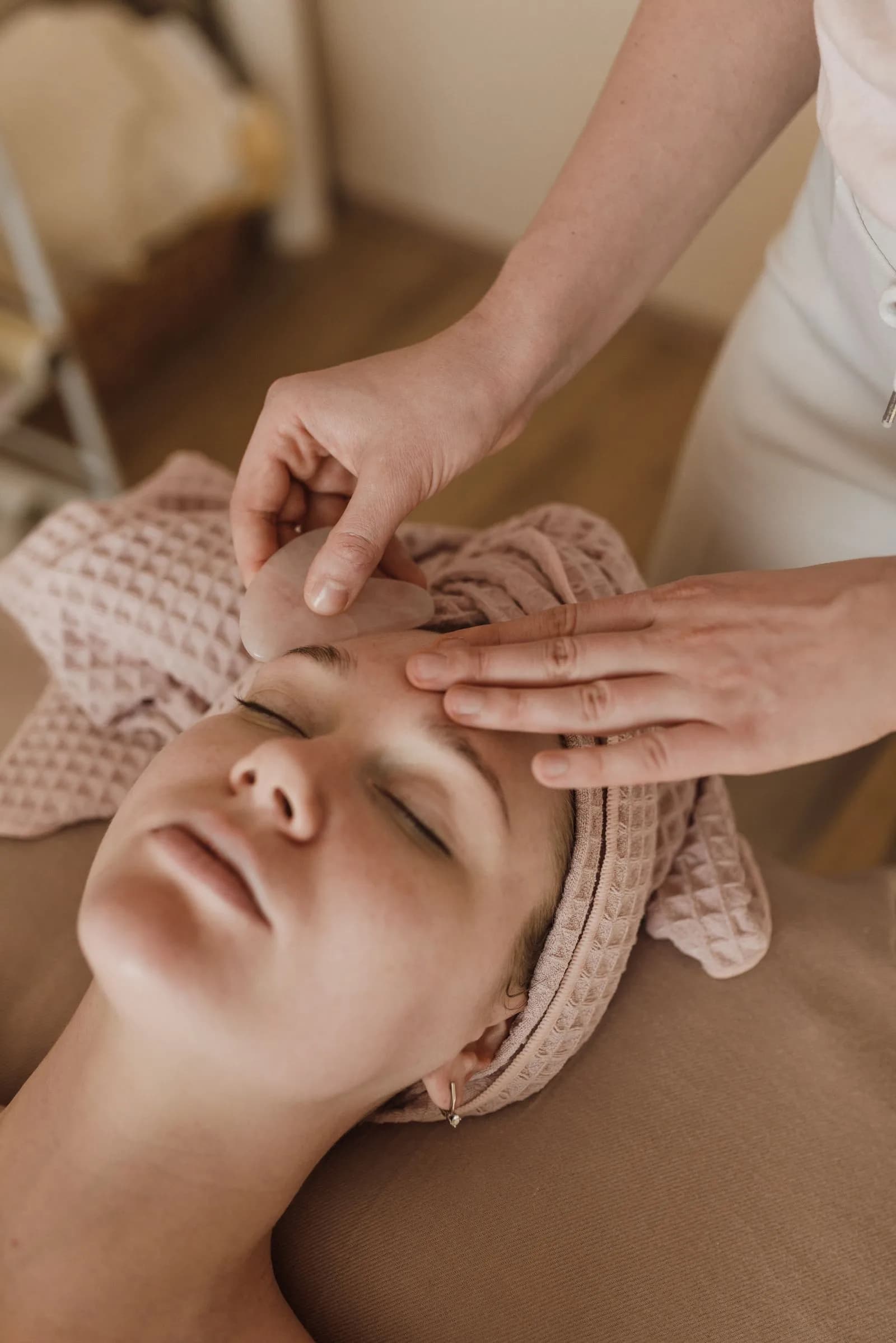
Once your skin is warm and supple, the attendant applies savon beldi, the traditional black soap of the hammam. It is made from olive oil and crushed olives, dark and soft, rich in glycerine. It is left on the skin for a few minutes to draw out impurities and soften the surface further.
Black soap is not cosmetic theatre. The olive oil base hydrates while it cleanses, and the glycerine helps lock moisture into the skin that is about to be exfoliated. In Malta, where salt air and an extreme summer UV index of 8 to 10 quietly dehydrate the skin barrier all year, this olive-based cleanse addresses something genuinely useful, not just pleasant.
You will feel the soap go on warm. Then you wait, again, while it works. The hammam does not rush this. Nor should you.
Step Three: The Kessa Glove Exfoliation
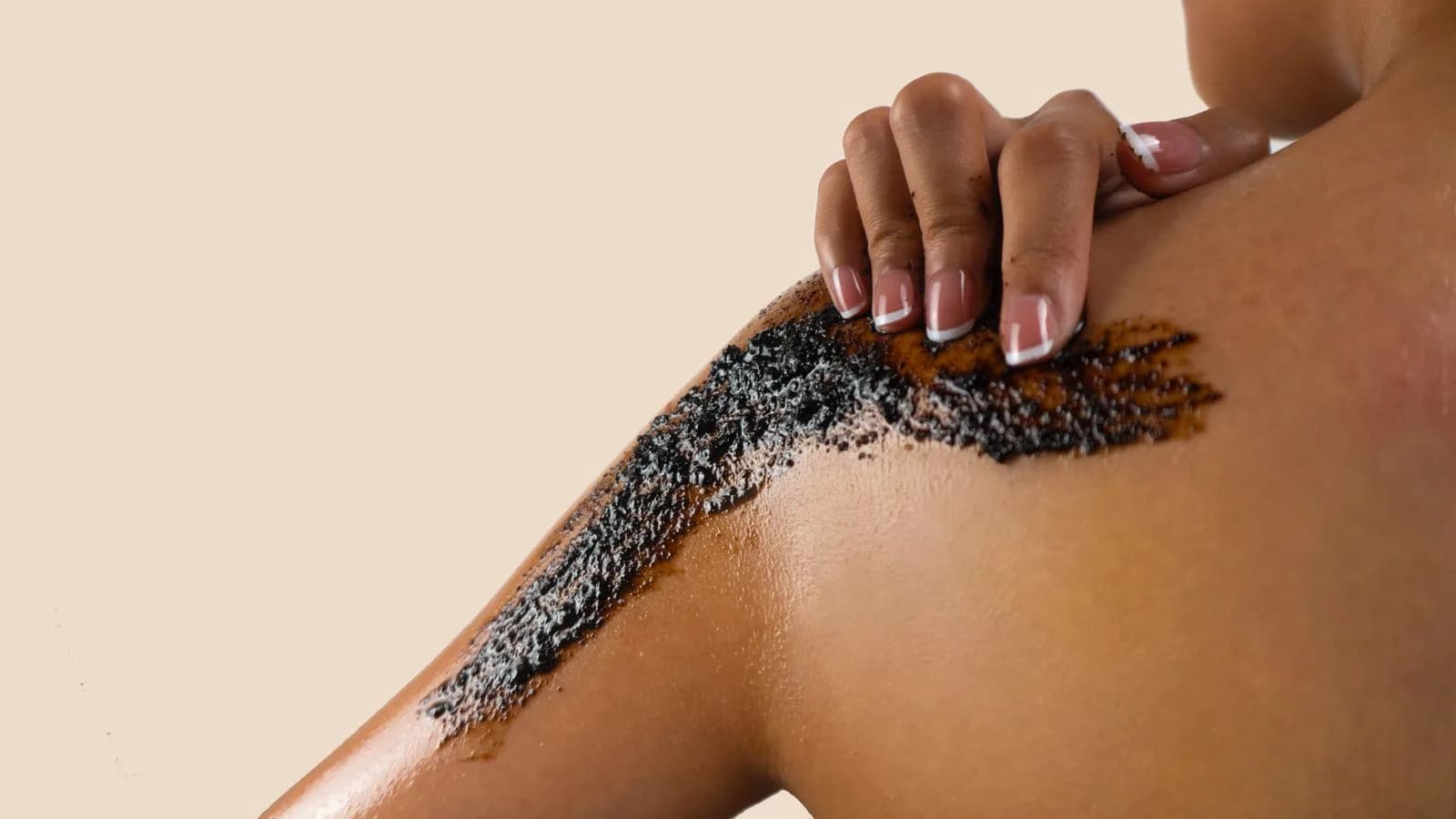
This is the heart of the ritual, and the part first-timers ask about most. The attendant uses a kessa (also spelled kese), a coarse-textured glove, to scrub the entire body. The pressure is firm. It is meant to be. A single kessa exfoliation removes up to twenty layers of dead skin cells, roughly the top half-millimetre of skin that the body cannot shed effectively on its own.
You may see the dead skin lift away. This is normal, and for many people, quietly satisfying. The scrub should feel vigorous but never painful. If the pressure is too much, you say so. The attendant adjusts. Communicating your comfort level is part of the ritual, not an interruption of it.
What follows is a smoothness you do not get from any product at home. The skin underneath is newer, brighter, and far more able to absorb what comes next. This is the moment the hammam earns its reputation.
Step Four: The Foam Wash and Clay Treatment
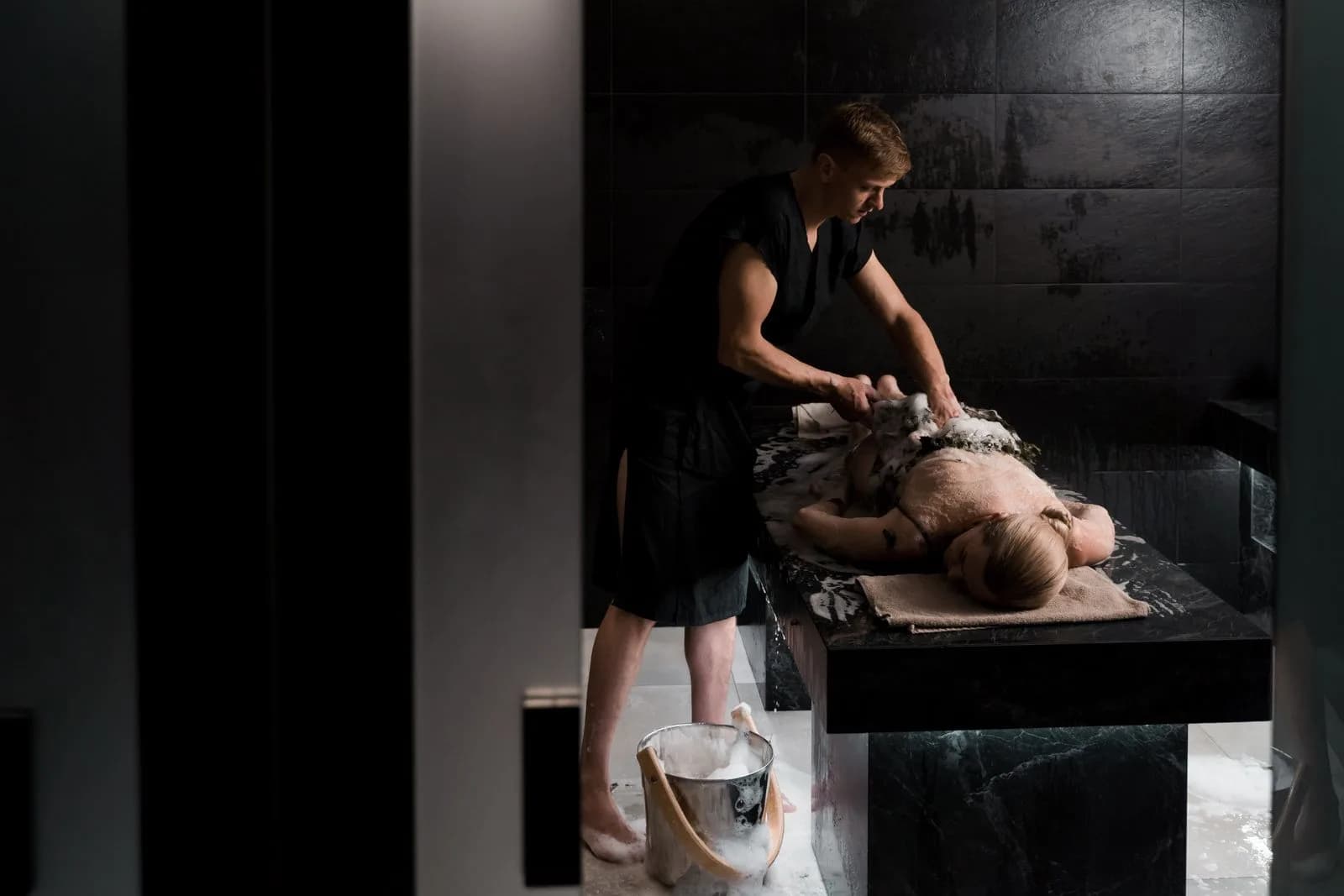
After the scrub comes the gentlest part. A cloud of warm foam is worked over the whole body, soft and enveloping, a cleansing massage that washes away everything the kessa loosened. People describe this stage as being wrapped in warm silk. It is the moment the ritual turns from work into pure ease.
Some hammam rituals then add rhassoul, also called ghassoul, a mineral clay drawn from the Atlas Mountains. Applied to the skin and sometimes the hair, it binds to impurities and draws them out, leaving the surface clarified and soft. On freshly exfoliated skin, its absorption is far greater than it would be otherwise. After professional exfoliation, the skin takes in active ingredients up to fifty percent more readily.
You are doing nothing now but lying still while warm water and soft hands do the work. This is the part nobody warns you you will miss when it ends.
Step Five: The Cool Rinse and Rest
The ritual closes with a cool rinse. After the sustained heat, cooler water tightens the skin, closes the pores, and sends a clean rush of circulation through the body. The contrast between heat and cool is deliberate, an old method that stimulates lymphatic movement and supports the body's own quiet detoxification.
Then you rest. You are led to a calm space, wrapped in warm towels, often with a glass of tea. This is not an afterthought tacked onto the treatment. It is part of it. The rest is where the nervous system finally settles into the parasympathetic state, the rest and digest mode many people have not properly occupied for weeks.
Do not skip this part. Do not check your phone the moment you sit down. The hammam has spent an hour bringing you here. Give yourself the last fifteen minutes to simply stay.
What to Wear, What to Bring, and First-Timer Nerves
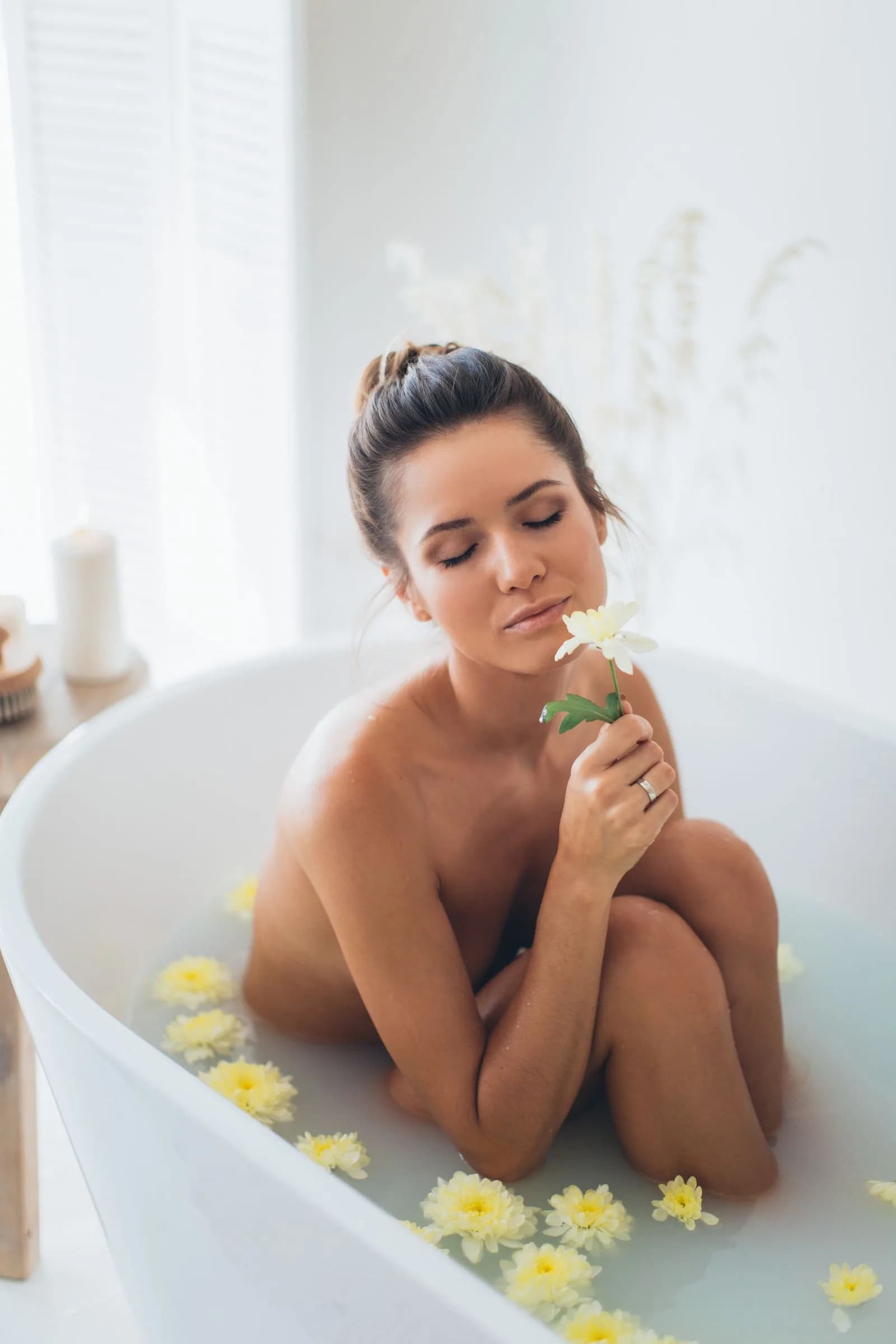
Here is the question almost everyone asks first, so let us answer it plainly. You are not exposed. At Carisma Spa you wear disposable underwear or swimwear throughout, and you remain covered. Modesty is preserved at every stage. The attendant has guided hundreds of first-timers and is entirely unbothered by your nervousness, which is more common than you think.
Bring very little. Everything you need, towels, the pestemal wrap, soap, the kessa, is provided. You may bring your own swimwear if you prefer it, and a hair tie. That is genuinely all.
A few small things help. Arrive hydrated and drink water afterwards. Avoid shaving the same day, since freshly shaved skin is more sensitive to the scrub. If you have a cardiovascular condition or high blood pressure, mention it when you book, as the sustained heat is something to flag. And if you are nervous, say so when you arrive. Feeling a little uncertain before your first hammam is completely normal. It passes the moment the warm room takes over.
Who the Hammam Is For, and Why It Belongs in Malta
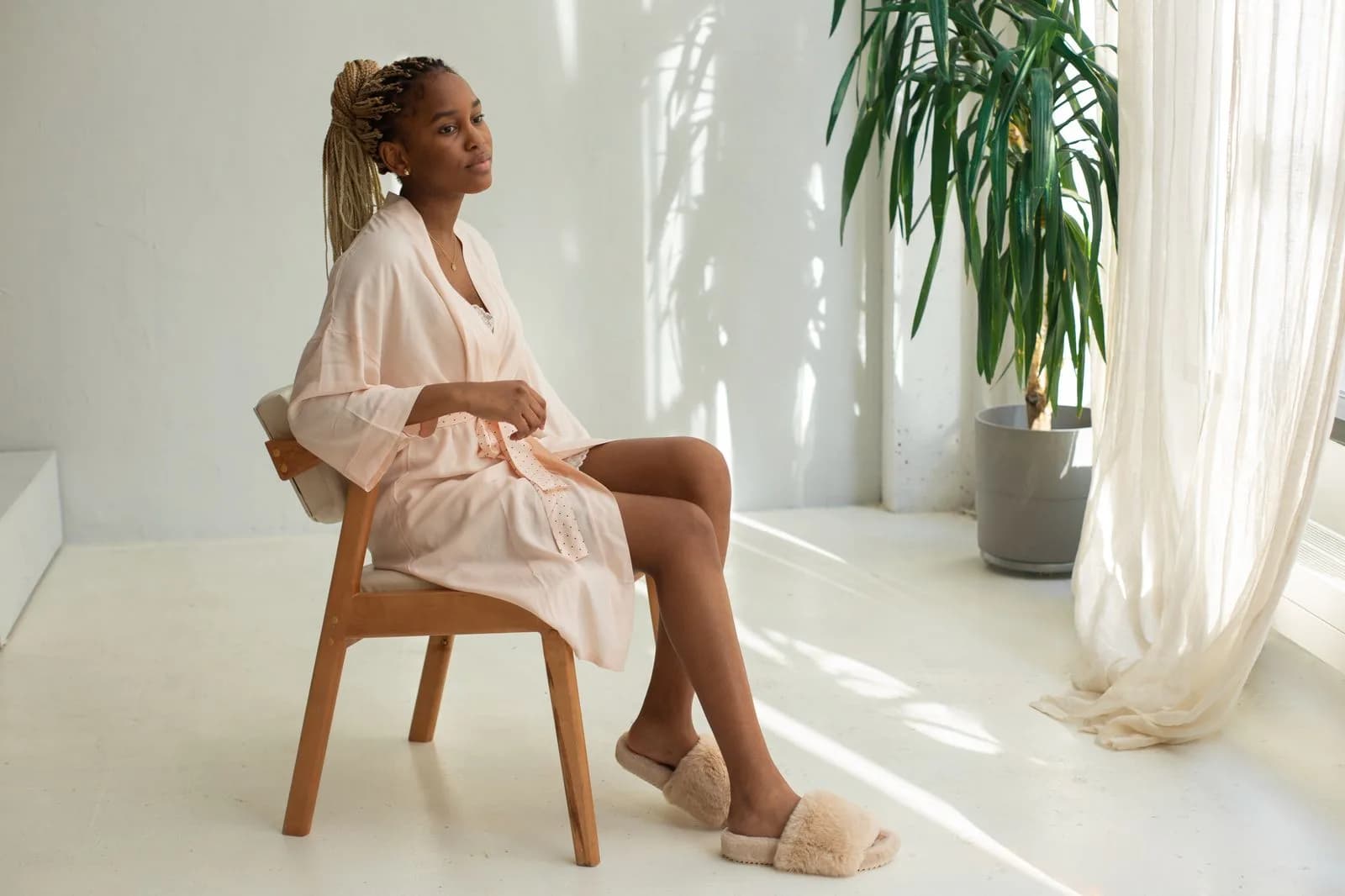
Theresa is thirty-nine, a marketing manager in Sliema. She tracks her steps, her calories, her screen time. She has optimised everything except the one thing that matters, which is stopping. She booked a hammam because a colleague mentioned it, and she sat in the waiting room answering emails. She left two hours later without having touched her phone, which had not happened in years.
That is who the hammam is for. Not someone who needs fixing, but someone who has quietly run close to empty and has not yet given herself permission to stop. The hammam dissolves that permission problem, because once you are lying on warm marble there is genuinely nothing else you are supposed to be doing.
It belongs in Malta for real reasons. The island is beautiful and demanding in equal measure. The UV is extreme, the salt air corrodes the skin barrier, the summer heat is a physiological load, and the smallness of the place means there is rarely a moment when no one needs anything from you. The hammam answers all of it. It is not an escape. It is a return to yourself, which is a different thing entirely. This is what we mean by Beyond the Spa.
FAQs About the Hammam Ritual in Malta
What should I wear during a hammam?
You wear disposable underwear or your own swimwear, and you stay covered throughout the ritual. A pestemal, the traditional cotton wrap, is provided. You are never fully exposed, and modesty is preserved at every stage. If you would feel more comfortable in your own swimwear, simply bring it. Many first-timers worry about this more than anything else, and almost all of them say afterwards that there was nothing to worry about.
How long does a hammam ritual take?
A complete hammam ritual in Malta usually takes 60 to 90 minutes, including the final rest. The warm room and steam take around twenty minutes, the scrub and wash another twenty to thirty, and the rest at the end is roughly fifteen. It is worth allowing a little extra time so you do not have to rush out of the calm you have just settled into. The rest at the end is part of the treatment, not an optional extra.
Does the kessa scrub hurt?
The kessa exfoliation is firm, but it should never be painful. The glove is coarse by design, because that is what lifts away the dead skin the body cannot shed on its own. The pressure is vigorous and most people find it satisfying rather than uncomfortable. If it ever feels like too much, you tell the attendant and the pressure is adjusted immediately. Letting them know your comfort level is part of the ritual.
What are the benefits of a hammam for the skin?
A hammam deeply exfoliates, removing up to twenty layers of dead skin cells in a single session, which leaves the skin noticeably smoother and brighter. The steam opens the pores and improves circulation, the black soap hydrates, and the clay clarifies. Freshly exfoliated skin also absorbs moisture and active ingredients far more effectively. In Malta's UV and salt-air climate, that kind of deep cleanse and hydration is genuine maintenance, not indulgence.
How often should I have a hammam?
For most people, a hammam every four to six weeks keeps the skin in good condition and gives the nervous system a regular point of rest. The skin's natural renewal cycle runs on roughly that rhythm, so the timing works with the body rather than against it. Some come monthly as a standing appointment, others a few times a year around the seasons. There is no wrong frequency. What matters is that it becomes a rhythm rather than a one-off.
Can I have a hammam if I have sensitive skin?
Yes, with a small adjustment. Tell the staff before the ritual begins so the pressure of the scrub and the products used can be tailored to you. Avoid shaving the same day, and skip the hammam entirely if you have any open cuts or wounds. If you have a cardiovascular condition or high blood pressure, mention it when booking, since the sustained heat is worth flagging in advance. With those small notes given, sensitive skin is very welcome.
Come and Experience the Hammam for Yourself
There is a version of every week where you do not have to think, even for an hour. The hammam is that hour. The warm marble, the scrub, the foam, the cool rinse, the rest at the end. You walk in carrying everything, and you walk out lighter, the same person, only able to feel yourself again.
We have never met a woman who left a hammam thinking it had been a waste of an afternoon. When you are ready, book your hammam ritual in Malta at Carisma Spa, the largest spa network in Malta, with a team that has been doing this for over three decades. Pair it with a spa day in Malta or share it as a couples spa experience in Malta. You might also fold in one of our relaxation massages in Malta for an afternoon that returns you to yourself completely. If you want the background first, here is what a hammam involves.
Whenever you are ready. We will be here.
Peacefully,
Sarah Camilleri
Spa Director, Carisma Spa & Wellness