The hammam, or Turkish bath, is a form of steam bath that originates from the Middle East. It evolved from the Roman tradition of bathhouses and was popularised across the world by the Ottoman Empire, becoming a place accessible to all social classes and central to community life.
History of Hammam
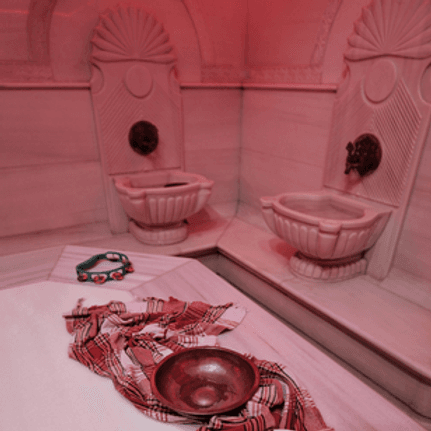
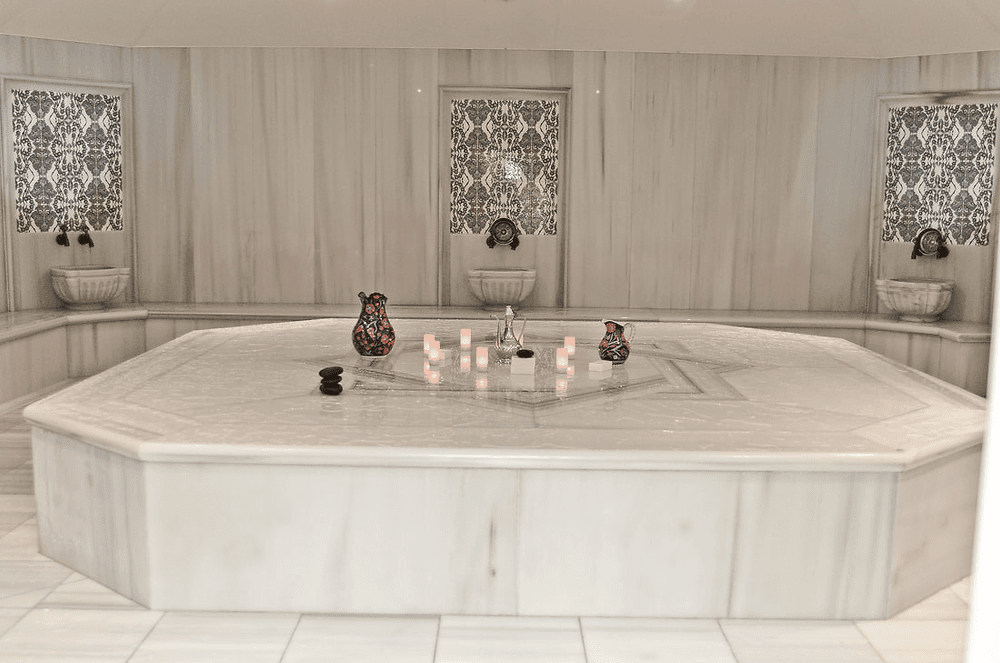
Hammams originated in Islamic cultures as spaces for ritual cleansing and communal gathering. Archaeological evidence traces their formal architecture to the Umayyad period (7th–8th centuries), with the tradition reaching its peak during the Ottoman era. Traditional hammam architecture included an undressing room (maslakh), a cold room (bayt al-barid), a warm room (bayt al-wastani), and a hot room (bayt al-harara).
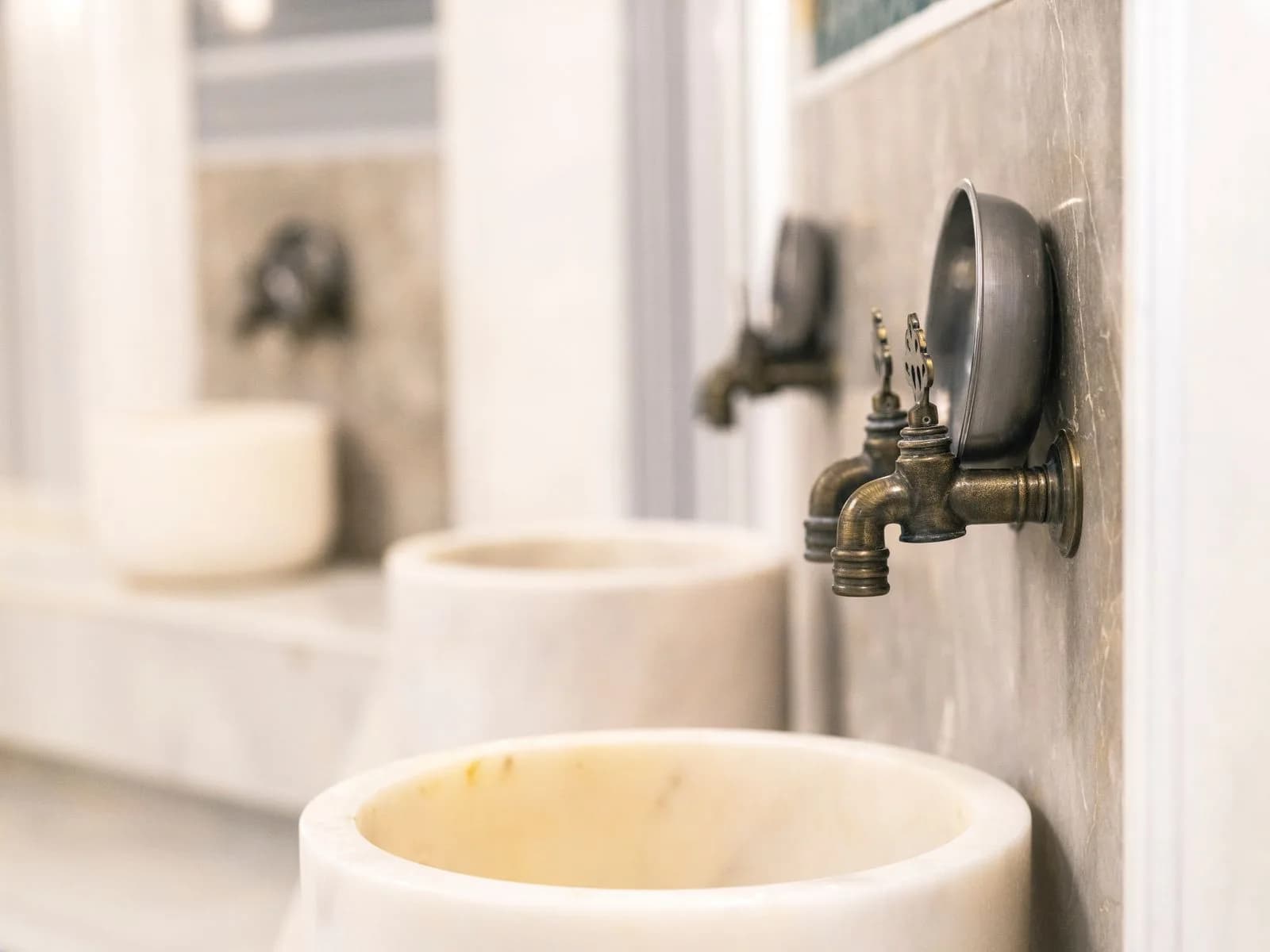
Heat was generated through furnaces and channelled under the marble floors via conduits — an elegant engineering solution that has changed little in a thousand years. Turkish baths emerged in the 14th century during Ottoman expansion, and hammams were typically positioned near mosques to facilitate ritual cleansing before prayer.
What Happens in a Hammam?
Guests enter a large communal bathing space heated by steam and progress through a traditional sequence of relaxation. The central treatment involves a therapist using a kese (silk or natural fibre mitt) to deeply exfoliate the skin, followed by a foam massage using a pillowcase-like pouch filled with soapy lather. Copper bowls of alternating warm and cold water are then poured over the body, stimulating circulation and closing the pores.
- Steam immersion to open pores and soften the skin
- Deep exfoliation with a traditional kese mitt
- Foam massage for muscle relaxation
- Warm and cold water rinses to stimulate circulation
- Rest and refreshment in the relaxation area
Conclusion
The hammam is more than a bath — it is a ritual of cleansing, connection, and restoration that has endured for over a thousand years. Experience this ancient tradition at its finest. Book your Turkish Hammam at Carisma Spa today.