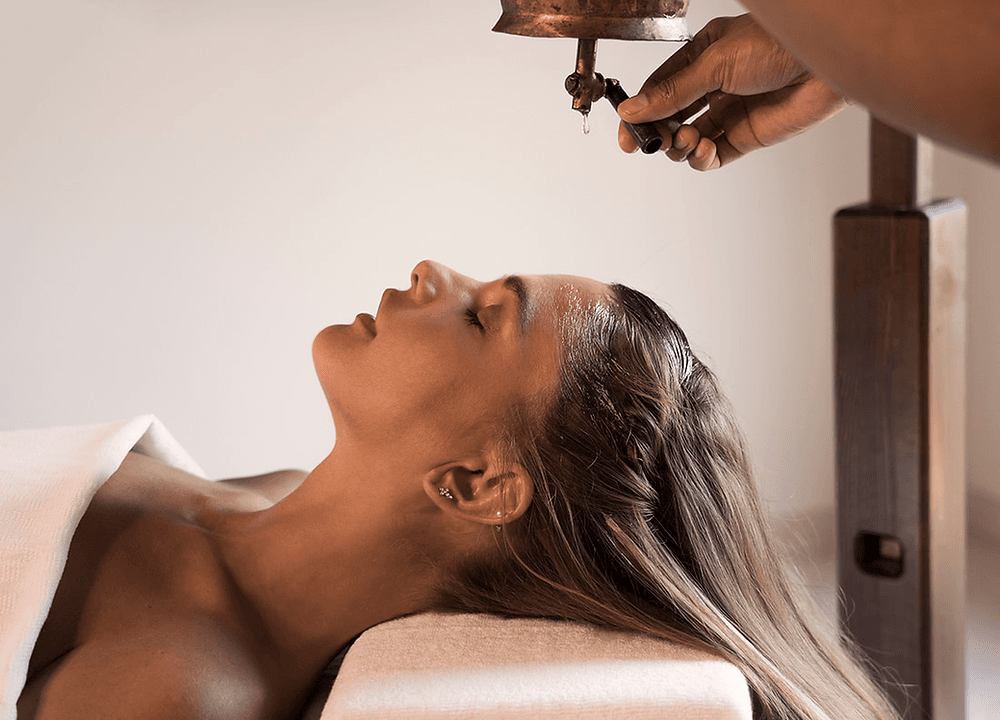
Ayurvedic massage, rooted in one of the world's oldest healing traditions, offers far more than relaxation. It is a holistic journey tailored to your unique body type and constitution.
What To Expect At Your First Ayurvedic Massage
Your first Ayurvedic massage begins with a consultation to determine your dosha — Vata, Pitta, or Kapha. The therapist will then select appropriate oils and techniques to bring your energy into balance.
Oils to Use for Ayurvedic Massage
- Vata: Sesame or almond oil for grounding and warmth
- Pitta: Coconut or sunflower oil for cooling and calming
- Kapha: Mustard or safflower oil for stimulating and energising
Ayurvedic Diet Plan
An Ayurvedic diet supports your massage by nourishing the body from within. The diet focuses on whole foods aligned with your dosha, avoiding processed ingredients, excessive caffeine, and refined sugars.
Types of Ayurvedic Massage
- Abhyanga: Full-body warm oil massage
- Shirodhara: Warm oil poured in a steady stream on the forehead
- Udvartana: Herbal powder massage for detoxification
- Marma: Pressure point therapy to stimulate vital energy points
10 Proven Benefits of Ayurvedic Massage
- Reduces stress and anxiety
- Improves circulation
- Detoxifies the body
- Promotes better sleep
- Enhances skin health
- Relieves muscle tension
- Boosts immunity
- Balances the nervous system
- Improves joint mobility
- Promotes emotional well-being
Side Effects of Abhyanga
Ayurvedic massage is generally safe, but certain contraindications apply. Avoid if you are pregnant, have open wounds, a fever, or are undergoing chemotherapy. Always consult a qualified practitioner.